Nov 09, 2026
Investing in What We Have Yet to Learn
Editor's note: This piece is part of "First Movers," a series from foundation leaders reflecting on moments when the charitable sector backed new and untested ideas, and the people behind them, before anyone else would, and asking where the sector should go first next. #FirstMovers #GenerosityBuilds
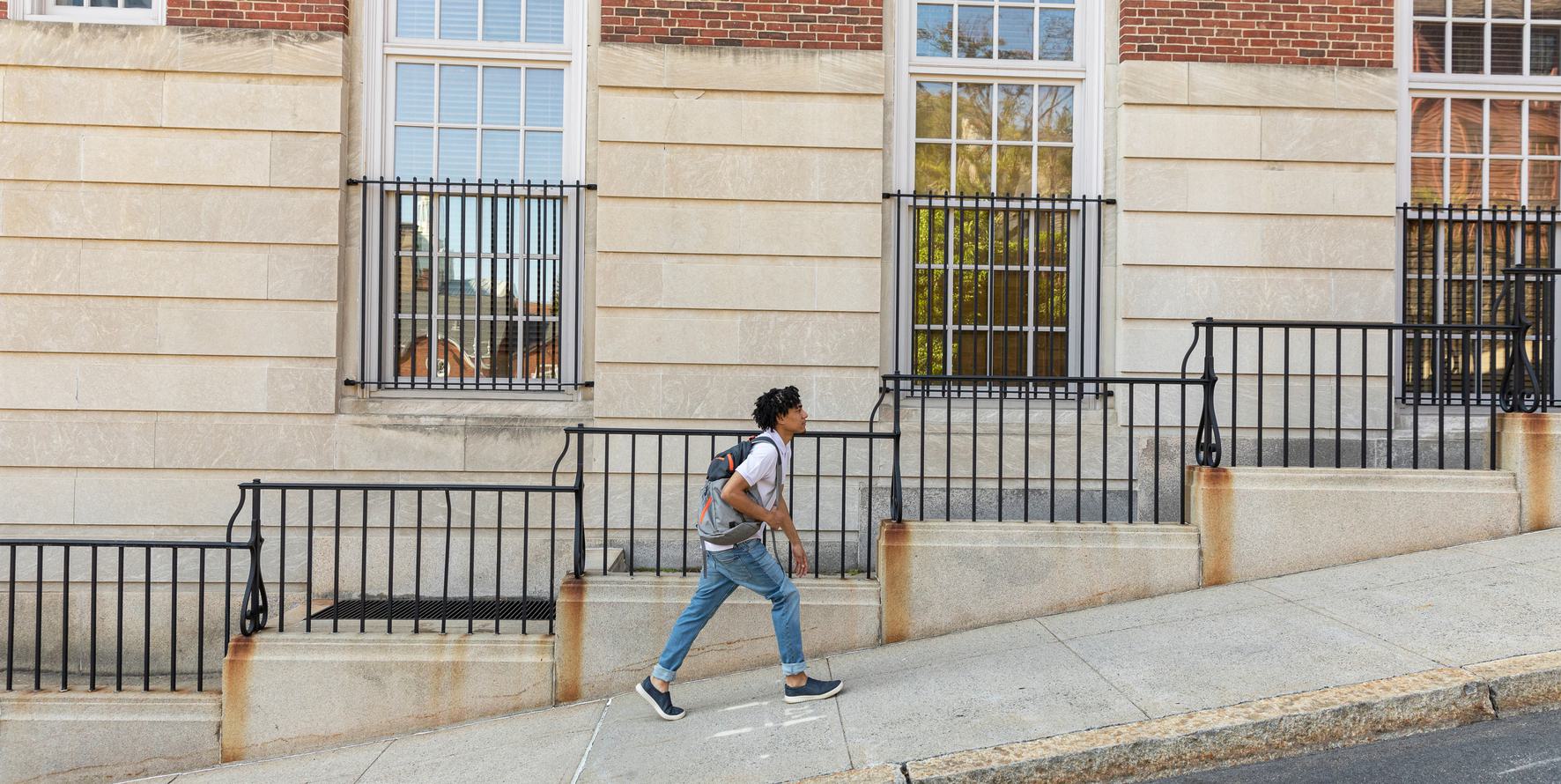
Think back to a time when you struggled to learn something new. Maybe it was a subject that never came easily, a challenge that left you questioning your abilities, or a moment when you felt like everyone else was a step ahead.
Now imagine experiencing that uncertainty as a ninth grader, when your understanding of what you're capable of is still taking shape. A difficult math problem can become something much bigger, leaving a student wondering whether they're cut out for advanced classes or whether college is even within reach.
But what happens next depends on more than what that student believes about themself. It also depends on their experiences in the classroom, the expectations placed on them, and whether the people and institutions around them give them reasons to continue believing they can succeed.
In the early 2010s, researchers were beginning to uncover how much students’ sense of belonging, purpose, and beliefs about their own abilities could influence their academic success. Early findings were promising. But there was still a great deal to understand about how those beliefs developed, what influenced them, and what schools could do to support students. Answering those questions would require bringing together researchers across disciplines and connecting their work to what was happening in classrooms.
At the Raikes Foundation, we saw an opportunity to help make that possible, even without knowing where the research would lead.
In 2015, we provided early support to launch the Mindset Scholars Network, later known as the Student Experience Research Network (SERN). We also joined ten other funders in supporting the National Study of Learning Mindsets, one of several research efforts connected to the network.
Our partnership helped connect SERN with educators and policymakers whose questions informed its research. The Raikes Foundation also helped bring others into the work, creating opportunities for funders, researchers, and education leaders to learn together about emerging science and practice. Those relationships helped SERN respond to what schools needed and secure resources to pursue new questions.
What followed was more interesting than simply confirming that students' beliefs influence their success.
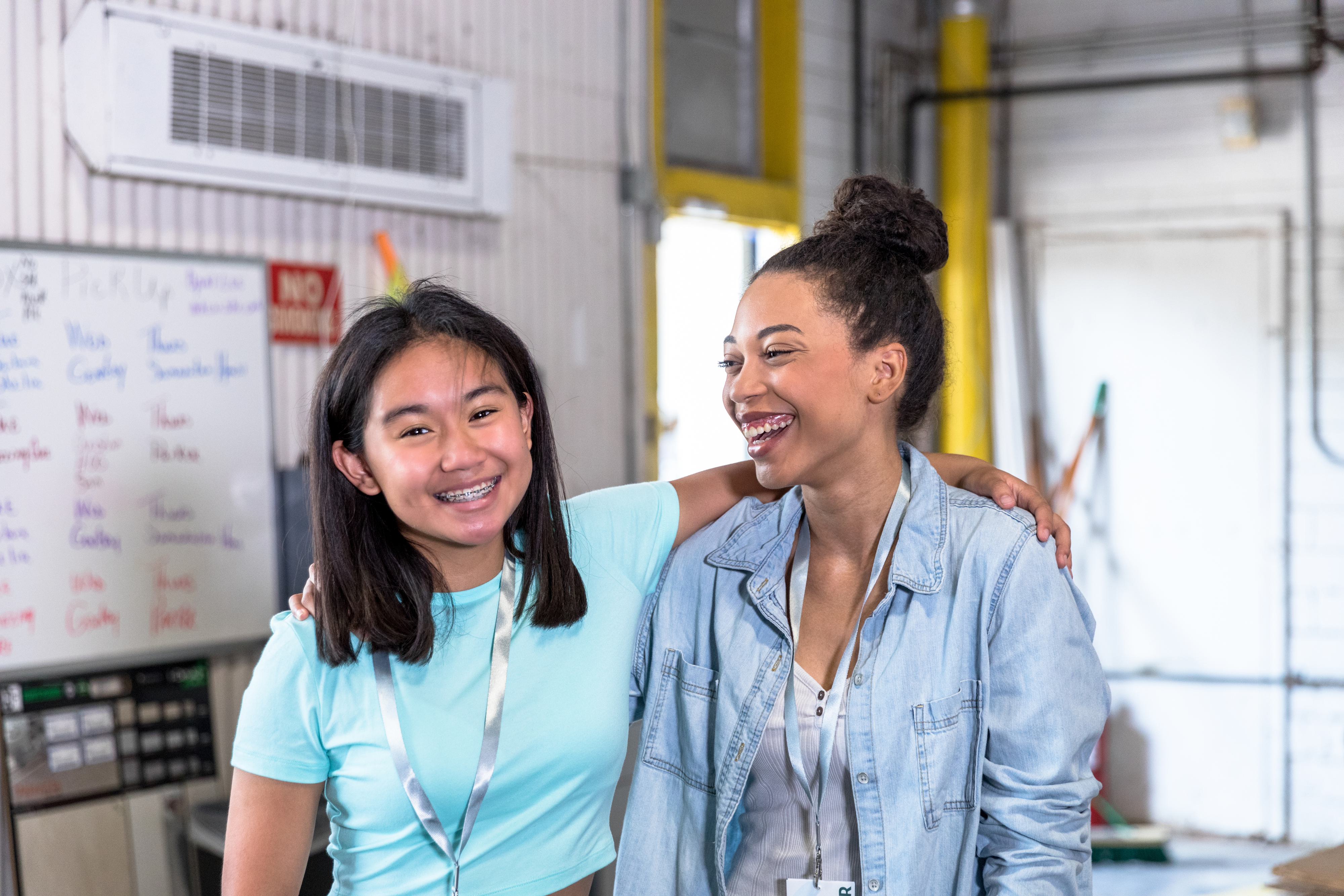
As researchers worked more closely with educators and others in the field, a more complex picture started to emerge. Students' beliefs about their abilities were important, but so were the experiences and expectations they encountered every day at school.
By 2016, that understanding was helping expand the network's research agenda beyond individual mindsets to examine how schools could create learning environments where more students had the opportunity to succeed.
And the evidence continued to build. A 2019 study involving more than 12,000 ninth graders across 65 public schools found that helping students see that they can build their abilities could improve grades for lower-achieving students and increase advanced math enrollment. Students benefited more in environments where taking on challenges and putting in effort were supported by the culture around them.
Helping a young person believe they can succeed is powerful. But that belief can only take them so far if the environments around them don't support it. What happens when they walk into a classroom and put that belief to the test is just as important.
For the Raikes Foundation, this evolving understanding helped shape investments in equitable learning, the Student Experience Project, and our broader approach to education redesign. We increasingly asked what schools and colleges needed to do differently—from how they measured student experience and adapted classroom practices to how they welcomed students or communicated academic setbacks—so young people experienced learning environments that supported them and created opportunities to succeed.
SERN concluded its work in 2023, recognizing that others were better positioned to lead the field’s next phase. Its influence extends beyond the organization itself, leaving behind a stronger research community, new relationships, and knowledge that continues to inform the field. Today, that work continues as statewide K-12 and higher education systems are working to improve student experience.
This experience continues to shape our approach to expanding opportunity for young people. The world is changing faster than many of the institutions they rely on. Technology, the economy, and civic life are evolving in ways that will influence young people’s futures for decades.
Philanthropy has an opportunity to help those institutions evolve, too. Early investment in emerging ideas can help build the evidence and understanding that shape entire fields, opening new possibilities for how we support young people.
But going first carries another obligation: We have to let what we learn change us, too.